 Find a Doctor
 Locations
  Services

 Print This Page
 Vascular Rehabilitation: A Nonsurgical Option for PAD
Medically Reviewed by Carmen M. Piccolo, DO
Dr. Carmen Piccolo, a McLeod Vascular Surgeon, explains the treatment options for peripheral arterial disease, including McLeod’s patient-focused offering of vascular rehabilitation.
An estimated 20 million people in the United States are affected each year by peripheral arterial disease, or PAD — a common circulatory condition that can have a major impact on everyday life. It occurs when blood flow to the arms or legs is reduced, most often because of hardened arteries or blockages. While it can affect the upper and lower extremities, it is far more common in the legs.
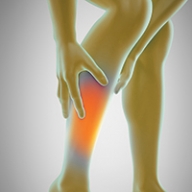
One of the most recognizable symptoms of PAD is claudication, a term used to describe leg pain that comes on with walking and improves with rest. This discomfort is typically caused by narrowed or blocked blood vessels in the legs, which limits oxygen-rich blood flow to working muscles. For many patients, claudication is the first sign that something more serious may be happening beneath the surface.
Understanding the risk factors
PAD often develops alongside other health conditions. Common risk factors include heart disease, diabetes, high blood pressure, high cholesterol, and increasing age. However, one risk factor stands out above the rest: smoking. Ongoing tobacco use greatly increases the likelihood of developing PAD and worsening symptoms over time.
Nonsurgical treatment options
The good news is that many people with PAD—especially those with mild symptoms or early-stage disease—may benefit from nonsurgical therapies. Treatment often focuses on improving blood flow, reducing cardiovascular risk, and helping patients stay active.
Common approaches may include aspirin or other medications to support circulation and reduce clot risk, cholesterol-lowering medications to slow plaque buildup in the arteries, medications that help widen blood vessels, and lifestyle changes, with a strong emphasis on quitting smoking
Among these options, smoking cessation is one of the most important steps a patient can take. Quitting tobacco can help slow progression of PAD and improve long-term vascular health.
A unique option: Vascular rehabilitation
At McLeod, patients may also have access to a specialized Vascular Rehabilitation Program, which has been offered for more than a decade. This program is designed to improve exercise tolerance and help the body develop better circulation in the legs. Many patients see meaningful improvements in their ability to walk farther with less discomfort, making it an effective therapy for people dealing with claudication.
Vascular rehabilitation is offered through McLeod’s cardiac rehabilitation locations, including Florence, Cheraw, Dillon, Manning, and Little River.
Who qualifies for vascular rehabilitation?
Not every patient with leg pain is automatically a candidate. To determine eligibility, patients first need to be evaluated by a vascular surgeon to confirm that PAD is the cause of their symptoms. The care team considers several factors, including the amount of blood flow to the legs, as well as overall health and the condition of the heart and lungs. If the patient meets the criteria, a referral is made to the rehabilitation team.
PAD care is a team effort
PAD doesn’t exist in isolation, and neither does treatment. Caring for patients with peripheral arterial disease often involves a collaborative team that may include vascular surgeons, cardiologists, primary care providers, and specialists such as pulmonary physicians and endocrinology/diabetes experts. This team-based approach helps ensure that every aspect of a patient’s health is addressed—not just the symptoms in the legs.
PAD with claudication can be painful and limiting, but with early detection, lifestyle changes, and the right therapy—including vascular rehabilitation—many patients can improve their symptoms and protect their long-term health.
-
McLEOD REGIONAL MEDICAL CENTER FLORENCE
843-777-2000 -
McLEOD DARLINGTON
843-777-1100 -
McLEOD DILLON
843-774-4111 -
McLEOD LORIS
843-716-7000 -
McLEOD SEACOAST
843-390-8100 -
McLEOD CHERAW
843-537-7881 -
McLEOD CLARENDON
803-433-3000



-
McLEOD REGIONAL MEDICAL CENTER FLORENCE
843-777-2000 -
McLEOD DARLINGTON
843-777-1100 -
McLEOD DILLON
843-774-4111 -
McLEOD LORIS
843-716-7000 -
McLEOD SEACOAST
843-390-8100 -
McLEOD CHERAW
843-537-7881 -
McLEOD CLARENDON
803-433-3000
