 Find a Doctor
 Locations
  Services

 Print This Page
 Training the Next Generation of Physicians: Inside McLeod Family Medicine Residency Programs
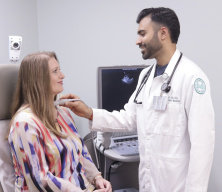
Medically Reviewed by Tabitha E. Davis Stellato, MD
Becoming a physician is more than earning a medical degree—it’s a commitment to lifelong learning and patient-centered care. Through its Family Medicine and Rural Family Medicine Residency Programs, McLeod Health equips new doctors with the experience, confidence and compassion needed to serve patients.
McLeod Health’s residency programs provide that essential bridge from classroom learning to real-world patient care as these physicians prepare to care for patients of all ages in both urban and rural communities.
Building a Foundation in Family Medicine
A medical residency is more than just continued education—it’s a time for physicians to immerse themselves in their chosen specialty. “A residency program is essentially a physician apprenticeship when a medical student finishes medical school. They are a physician, but they have to spend extra time with other attending physicians, learning how to take care of patients within their chosen specialty field,” explains Dr. Tabitha Stellato, Associate Program Director for the McLeod Family Medicine Residency Program.
For those pursuing family medicine, that means learning how to manage everything from acute illnesses to chronic conditions, preventive care, pediatrics, and obstetrics—all while building the long-term relationships that define primary care.
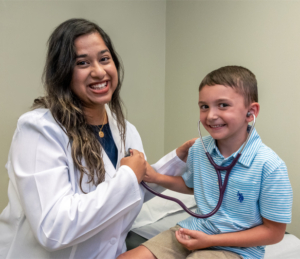
Two Programs, One Mission
McLeod Health operates two Family Medicine Residency Programs—one based in Florence and another focused on rural medicine with training sites in Cheraw and Manning.
In Florence, residents complete inpatient and outpatient rotations across a wide spectrum of specialties, including pediatrics, obstetrics and internal medicine. The rural track offers similar experiences but places greater emphasis on caring for patients in smaller, community-based hospitals, giving residents valuable exposure to the unique challenges and rewards of rural healthcare.
Between the two programs, McLeod trains more than 50 residents each year—27 in Florence and 24 across the two rural sites. Each program fosters a close-knit learning environment supported by dedicated faculty physicians who mentor residents through every step of their three years of training.
Preparing Physicians for Every Path
Graduates of McLeod’s Family Medicine Residency Programs go on to pursue diverse career paths. Many choose to remain in the region, serving as primary care physicians in local clinics or hospitals. Others become hospitalists, providing inpatient care for acutely ill patients.
Each year, several residents also pursue fellowships in subspecialties such as hospice and palliative care, sports medicine, obstetrics, sleep medicine, and addiction medicine. Regardless of where they go, all share a strong foundation in compassionate, comprehensive care.
-
McLEOD REGIONAL MEDICAL CENTER FLORENCE
843-777-2000 -
McLEOD DARLINGTON
843-777-1100 -
McLEOD DILLON
843-774-4111 -
McLEOD LORIS
843-716-7000 -
McLEOD SEACOAST
843-390-8100 -
McLEOD CHERAW
843-537-7881 -
McLEOD CLARENDON
803-433-3000



-
McLEOD REGIONAL MEDICAL CENTER FLORENCE
843-777-2000 -
McLEOD DARLINGTON
843-777-1100 -
McLEOD DILLON
843-774-4111 -
McLEOD LORIS
843-716-7000 -
McLEOD SEACOAST
843-390-8100 -
McLEOD CHERAW
843-537-7881 -
McLEOD CLARENDON
803-433-3000
