 Find a Doctor

 Locations
 Services


 Print This Page
South Carolinians: Do You Know How to Recognize the Symptoms of Stroke?
From an interview with
Ravish Kothari, MD
Director, McLeod Stroke Services
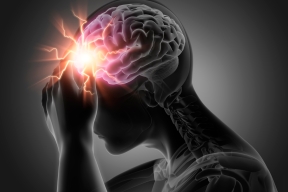
A stroke in simple terms is damage to the brain tissue. This happens because there is an interruption of the blood supply to the brain. This can be due to either a blockage of the blood vessel from a clot or plaque, or sometimes it can also happen due to damage, like a rupture of the brain vessel, which can lead to the hemorrhage or the bleeding type of stroke.
South Carolina is in the stroke belt; in fact, we are a part of the stroke buckle. Therefore, the prevalence of stroke and the death rate from stroke is high in our region. Research shows that in 2018, approximately 2,800 residents died from stroke, and there were more than 17,000 hospitalizations caused by stroke.
Women are at higher risk for stroke compared to men. It’s likely that the hormonal differences as well as pregnancy and eclampsia are all factors. Sometimes oral contraceptive pills can contribute to the increased risk.
The stroke belt is the region in the southeastern United States where the incidence, prevalence, and death rates from stroke are higher than the rest of the country. The stroke belt includes the following states: Alabama, Arkansas, Georgia, Indiana, Kentucky, Louisiana, Mississippi, North and South Carolina, Tennessee, and Virginia. And the stroke buckle is the region within the stroke belt that the stroke incidence and death rate are even higher compared to other states in the stroke belt.
Genetics is a risk factor for stroke, which is not something a person can control. But lifestyle is also a significant contributor to the higher stroke incidence. Unhealthy diet, lack of physical activity or exercise, alcohol, smoking – all of these are risk factors.
During a stroke, every minute counts. Fast treatment can lessen the brain damage that stroke can cause. By knowing the signs and symptoms of stroke, you can take quick action and perhaps save a life—maybe even your own. An easy way to remember the stroke symptoms is by the acronym BE FAST:
B: Balance. If someone has difficulty with balance or walking, that can be a sign of stroke.
E: Eyes (or vision). If you have loss of vision in one or both eyes or double vision, that can be a sign of stroke.
F: Face. Facial weakness or droopy face or numbness in that area on your face can be a sign of stroke.
A: Arm (or leg). If you have arm or leg weakness, it can be a sign of the stroke.
S: Speech (or language). Difficulty with communication, including understanding speech or getting words out can be a sign of stroke.
T: Time to call. Basically, if you experience any stroke symptoms, that’s the time to call 911.
To learn more, speak with a neurologist near you.
-
McLEOD REGIONAL MEDICAL CENTER FLORENCE
843-777-2000 -
McLEOD DARLINGTON
843-777-1100 -
McLEOD DILLON
843-774-4111 -
McLEOD LORIS
843-716-7000 -
McLEOD SEACOAST
843-390-8100 -
McLEOD CHERAW
843-537-7881 -
McLEOD CLARENDON
803-433-3000



-
McLEOD REGIONAL MEDICAL CENTER FLORENCE
843-777-2000 -
McLEOD DARLINGTON
843-777-1100 -
McLEOD DILLON
843-774-4111 -
McLEOD LORIS
843-716-7000 -
McLEOD SEACOAST
843-390-8100 -
McLEOD CHERAW
843-537-7881 -
McLEOD CLARENDON
803-433-3000
