 Find a Doctor
 Locations
  Services

 Print This Page
 Knee Replacement Q&A with Dr. Chad Thurman
Medically Reviewed by Chad Thurman, DO
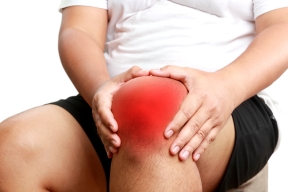
For those considering knee replacement, it’s important to understand the signs that may indicate surgery is necessary, how to prepare for the operation, and what recovery may look like in the weeks and months that follow. Dr. Chad Thurman, McLeod Health Orthopedic Surgeon, answers some common questions about knee replacements.
Question: There are a lot of treatment options for knee pain, but when should someone start to consider knee replacement surgery?
Answer: Knee replacement is always the last thing we consider. We start with conservative care, which generally means medication, injections, therapy, and potentially bracing. If the pain is still affecting the patient’s life and changing how they live, we move on to discussing knee replacement surgery.
Q: At what point should someone with knee pain talk to an orthopedic surgeon?
A: A lot of people live with knee pain daily and that’s not uncommon, but when someone has pain that’s starting to change their activities, they are canceling plans, or giving up hobbies that they used to enjoy, it’s time to see an orthopedic provider.
Q: Why is the knee so problematic? What is it about that particular joint, the ACL, the MCL, all these other sorts of things?
A: The knee is a lot more complex. We think of it more like an elbow, just in and out like a hinge and it’s truly not. There are multiple rotation points within the knee. There are multiple muscles that traverse the knee as well as the ligaments.
Q: What would you tell a patient who may be apprehensive about whether or not to have knee replacement surgery?
A: The outcomes are great and they’re getting better. Robotics have really improved alignment, reduced revision rates, improved patients’ long-term quality of life. But at the end of the day, the most important thing a patient needs to know is their effort in therapy afterwards is going to really determine your outcome.
Q: What do patients need to do after the surgery?
A: The four things I tell people are: Motion, motion, motion, and motion. Don’t let the knee get stiff, get the knee moving early, bending it hourly right after surgery. And then of course, patients need a really good therapist or a team of therapists to build strength and get motion back.
Q: What are some things people can do to keep their knees healthy, avoid potential joint problems down the road?
A: Maintaining a healthy weight, healthy diet, avoiding injury when possible, but most importantly is resistance training — working out. It’s not just the walking and the treadmills that we think about. Strength training or what we call resistance training is the best chance at reducing the risk for replacement.
Q: Do genetics play a part in knees and joint pain, discomfort, and potential surgery?
A: Without a doubt. There are certainly people who get hip and knee arthritis that require surgery without a family history, but there is also a very clear genetic link. If someone’s parents had hip and knee trouble that required treatment, they are at a higher risk for developing those problems as well.
-
McLEOD REGIONAL MEDICAL CENTER FLORENCE
843-777-2000 -
McLEOD DARLINGTON
843-777-1100 -
McLEOD DILLON
843-774-4111 -
McLEOD LORIS
843-716-7000 -
McLEOD SEACOAST
843-390-8100 -
McLEOD CHERAW
843-537-7881 -
McLEOD CLARENDON
803-433-3000



-
McLEOD REGIONAL MEDICAL CENTER FLORENCE
843-777-2000 -
McLEOD DARLINGTON
843-777-1100 -
McLEOD DILLON
843-774-4111 -
McLEOD LORIS
843-716-7000 -
McLEOD SEACOAST
843-390-8100 -
McLEOD CHERAW
843-537-7881 -
McLEOD CLARENDON
803-433-3000
