 Find a Doctor
 Locations
  Services

 Print This Page
 8 Early Warning Signs of a Heart Attack
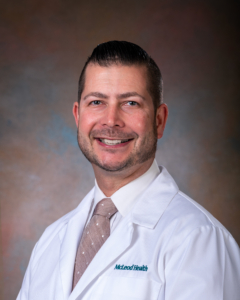
Medically Reviewed by Brian P. Wall, MD
Heart attacks often start quietly, with symptoms that may not immediately raise concern. These early warning signs can vary between individuals and are commonly less pronounced in women. Recognizing and responding to these symptoms quickly can improve outcomes and reduce long-term damage to the heart.
1. Chest Pain/Discomfort
Chest discomfort can range from mild to severe. It is often located in the breastbone, one or both shoulders, or upper back. It feels like a tight ache, pressure, fullness or squeezing in the chest. It may radiate to other areas of the body. Chest discomfort is probably the most recognizable symptom of a heart attack but not everyone will experience chest pain. Also, it can be difficult to distinguish between chest pain and heartburn because they feel so similar. Heart attack survivors have reported feelings of restriction, like a squeezing band around the upper back and torso as the pressure builds, prior to the attack. This sensation could also be experienced in the jaw, which is particularly common in women.
2. Pain in Other Areas
Discomfort in areas such as the stomach, back, neck, jaw, or one or both arms is very common prior to a heart attack. Tooth pain can also be experienced. Again, chest pain is the most common symptom, but many people are not aware that pain in other areas of the body can be a sign as well. Classic heart attack signs are pain and numbness shooting down the left arm. This pain can travel to other areas of the body.
3. Sweating
The onset of a heart attack can cause some people to experience cold sweating without any physical exertion or apparent reason. Your clothes may become soaked and your face may turn pale. This can happen during the day or at night. When the arteries are clogged it can take more effort for the heart to pump blood or stimulate the nervous system which controls sweating. As a result, the body will try to maintain a safe temperature, causing sweating from the extra effort on the heart.
Excessive sweating can be a sign of heart problems, not just a heart attack. Excessive sweating without doing something that causes exertion should be taken seriously. If you are experiencing unexplainable sweating, schedule a visit with a physician or cardiologist so tests can be run to identify the cause.
4. Fatigue
During the weeks before a heart attack, a slow drain on energy will start building up, leading to complete exhaustion a few days prior to the heart attack. Simple activities like bending down to tie your shoes can be tiring. Most people will not consider fatigue as a warning sign because it can be too easily written off as a lack of sleep, stress, or a busy lifestyle.
5. Shortness of Breath
Women particularly describe experiencing breathlessness in the days before a heart attack. For some it is so severe they can’t even carry on a normal conversation. The cause of this symptom is related to the process of returning blood to the lungs from the heart. When this doesn’t happen correctly fluid can leak into the lungs and cause shortness of breath.
6. Flu-Like Symptoms
Many people who have experienced a heart attack thought they had the flu since it accompanied flu-like symptoms prior to the attack. Except for high fever, symptoms can be similar such as chest fullness, shortness of breath, sweating, nausea, bloating, and coughing. Recognizing these as potential heart-related issues can help improve your chance of recovery by seeking treatment before it is too late.
7. Dizziness
Patients complain of dizziness and some even faint prior to a heart attack. The potential danger in this would be injuries to the head or breaking a bone from the fall. Anyone who experiences dizziness to the point that they can’t walk properly should sit down and call for help.
8. Anxiety
Stress so severe that it causes anxiety is common for heart attack sufferers. Some people explain it as a feeling of impending doom, which is the body’s way of expressing something is wrong.
With a heart attack, time is of the essence. If adequate blood flow is not restored quickly, permanent damage to the heart may occur. For this reason, it is important that chest pain is always taken seriously.
For anyone who experiences any of the signs of a heart attack — pain in the chest, shortness of breath, and a recurrent discomfort that feels like indigestion, don’t ignore the pain. If you are able, take an aspirin and Call 911.
At the McLeod Heart and Vascular Institute, you and your physician can work together to protect your heart and vascular health, now and into the future. When you come to any of our McLeod locations, be assured that we have taken numerous steps to protect you and your health care team.
-
McLEOD REGIONAL MEDICAL CENTER FLORENCE
843-777-2000 -
McLEOD DARLINGTON
843-777-1100 -
McLEOD DILLON
843-774-4111 -
McLEOD LORIS
843-716-7000 -
McLEOD SEACOAST
843-390-8100 -
McLEOD CHERAW
843-537-7881 -
McLEOD CLARENDON
803-433-3000



-
McLEOD REGIONAL MEDICAL CENTER FLORENCE
843-777-2000 -
McLEOD DARLINGTON
843-777-1100 -
McLEOD DILLON
843-774-4111 -
McLEOD LORIS
843-716-7000 -
McLEOD SEACOAST
843-390-8100 -
McLEOD CHERAW
843-537-7881 -
McLEOD CLARENDON
803-433-3000