McLeod Health
  • About Us
  • Blog
  • Giving
  • Newsletter Sign-Up
  • Find a Doctor
  • PATIENT ONLINE SERVICES
  • Locations
    • McLeod Regional Medical Center Florence
    • McLeod Health Cheraw
    • McLeod Health Clarendon
    • McLeod Health Dillon
    • McLeod Health Loris
    • McLeod Health Seacoast
    • McLeod Health Carolina Forest
  • Services
    • Care
      • Breast Health Center
      • Cancer Center
      • Cardiology
      • Children’s Hospital
      • Diabetes Center
      • Digestive Health
      • Emergency/Trauma
      • Heart
      • Home Health
      • Hospice
      • Neurosciences
      • OrthoNow (Walk-in Clinic)
      • Orthopedic & Spine Care
      • Palliative Care
      • Pharmacy & Outpatient Infusion
      • Plastic/Reconstructive Surgery
      • Primary Care
      • Pulmonology
      • Radiology
      • Rehabilitation
      • Respiratory Therapy
      • Sports Medicine
      • Stroke
      • Surgery
      • TeleHealth
      • Urgent Care
      • Urology
      • Vascular
      • Vein Center
      • Women’s Services
      • Wound Care - Outpatient
    • Wellness
      • Health & Fitness
    • Occupational Health
      • Onsite & Nearsite Services
      • Employee Assistance Program
    • Community Involvement
      • McLeod Foundation
      • Pastoral Services
      • McLeod Safe Kids
      • Volunteers
      • Guest House
    • For Providers
      • McLeod EpicLink
    • Physician Employment
    • Careers
    • Residency
  • BLOG HOME
  • HEART
    HEALTH
  • CANCER
  • WOMEN &
    CHILDREN
  • ORTHOPEDICS
  • GENERAL
    HEALTH
  • BLOG HOME
  • HEART
    HEALTH
  • CANCER
  • WOMEN &
    CHILDREN
  • ORTHOPEDICS
  • GENERAL
    HEALTH
McLeod Health
  • About Us
  • Blog
  • Giving
  • Newsletter Sign-Up
  • Find a Doctor
  • PATIENT ONLINE SERVICES
  • Locations
    • McLeod Regional Medical Center Florence
    • McLeod Health Cheraw
    • McLeod Health Clarendon
    • McLeod Health Dillon
    • McLeod Health Loris
    • McLeod Health Seacoast
    • McLeod Health Carolina Forest
  • Services
    • Care
      • Breast Health Center
      • Cancer Center
      • Cardiology
      • Children’s Hospital
      • Diabetes Center
      • Digestive Health
      • Emergency/Trauma
      • Heart
      • Home Health
      • Hospice
      • Neurosciences
      • OrthoNow (Walk-in Clinic)
      • Orthopedic & Spine Care
      • Palliative Care
      • Pharmacy & Outpatient Infusion
      • Plastic/Reconstructive Surgery
      • Primary Care
      • Pulmonology
      • Radiology
      • Rehabilitation
      • Respiratory Therapy
      • Sports Medicine
      • Stroke
      • Surgery
      • TeleHealth
      • Urgent Care
      • Urology
      • Vascular
      • Vein Center
      • Women’s Services
      • Wound Care - Outpatient
    • Wellness
      • Health & Fitness
    • Occupational Health
      • Onsite & Nearsite Services
      • Employee Assistance Program
    • Community Involvement
      • McLeod Foundation
      • Pastoral Services
      • McLeod Safe Kids
      • Volunteers
      • Guest House
    • For Providers
      • McLeod EpicLink
    • Physician Employment
    • Careers
    • Residency
< BACK TO LIST Print This Page

Hip Replacement Q&A with Dr. Chad Thurman
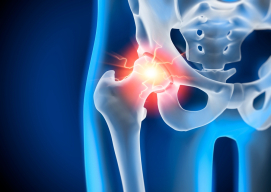
Medically Reviewed by Chad Thurman, DO

Hip replacement surgery can raise many questions for patients and their loved ones, from understanding when surgery may be needed to knowing what to expect before, during and after the procedure. Dr. Chad Thurman, McLeod Health Orthopedic Surgeon, answers some of the most common questions about hip replacement.


Question: When should someone seek medical attention for hip pain?

Answer: The first thing I tell patients is, if you’ve had hip pain for more than four weeks, don’t just assume it’s normal or that it’s going to go away on its own. One thing that often catches people off guard is that groin pain can be one of the earliest signs of a hip problem. If that pain persists or starts interfering with your daily activities, it’s worth having it evaluated.

Q: When is it time to consider having a hip replacement?

A: The conversation usually starts the same way in my clinic. First, we look at X-rays to understand what’s causing the pain and how much damage there is to the joint. Then I ask my patients a simple question: Is the pain affecting your life? If your hip is changing the way you live, whether that means limiting the activities you enjoy, affecting your sleep, or keeping you from doing the things you want to do, it may be time to consider a hip replacement.

Q: What can patients expect during recovery from a hip replacement? How soon are they up and walking after surgery?

A: This is something a lot of patients are surprised to hear: we typically have patients up and walking within a few hours after surgery. We want you moving early, usually with a walker at first. Early mobility is an important part of the recovery process. For most patients, we can transition them off the walker within a couple of weeks. Getting back to work depends on the type of work you do, but many patients can return to their normal activities within about eight to 12 weeks.

Q: How much of the recovery is in the patient’s hands, particularly when it comes to physical therapy?

A: Patients really do have to take an active role in their recovery. I tell my patients that we’re a team. My job is to provide the right surgical technique, technology, and implants, but the patient has to come to the table ready to do the work. That includes following the rehabilitation plan, doing the recommended exercises, and learning how to walk properly again. When we work together and the patient stays committed to therapy and recovery, we can typically get people back on their feet and doing well within two to three months.

Q: What is the one thing you wish everyone knew about hip replacement surgery?

A: I wish more people understood just how much hip replacement surgery has changed. A lot of patients still picture spending several days in the hospital and having a long, difficult recovery. That’s not what it looks like for most patients today. As previously mentioned, we typically have people up and walking within a few hours of surgery, and many can go home the same day or after a short stay. Modern technology, including computer navigation and robotic assistance, has also given us new tools to make these procedures more precise and help patients get moving sooner.

Q: What can you do proactively to reduce your chances of needing a hip replacement?

A: There are some things you simply can’t control. Genetics can play a role, and sometimes an injury can lead to arthritis despite your best efforts. But there are things you can do to help protect your joints. Research has shown that resistance training can be beneficial. That might mean weightlifting, squats, lunges, or other exercises that build strength around the hip and lower body. Regular exercise, including activities like riding a stationary bike, can also help you stay strong and mobile. You can’t eliminate your risk of needing a joint replacement, but maintaining strength, staying active, and managing your weight can all help protect your hips and knees over time.

SUBSCRIBE TO ENTIRE BLOG
Share
  • McLEOD REGIONAL MEDICAL CENTER FLORENCE

    843-777-2000
  • McLEOD DARLINGTON

    843-777-1100
  • McLEOD DILLON

    843-774-4111
  • McLEOD LORIS

    843-716-7000
  • McLEOD SEACOAST

    843-390-8100
  • McLEOD CHERAW

    843-537-7881
  • McLEOD CLARENDON

    803-433-3000

results appear while typing

Loading

McLeod Health

Menu
  • HOME
  • FIND A DOCTOR
  • LOCATIONS
  • SERVICES
  • PATIENT PORTAL
  • Physician Employment
  • Careers
  • Residency
  • About Us
  • Blog
  • Giving
  • Calendar
  • Patient Stories
  • McLeod News
  • Newsletter Sign-Up
  • For Employees
  • Call
  • Locations
  • PATIENT ONLINE SERVICES
  • Services
  • Search
  • Find a Doctor
  • Main Menu
  • McLEOD REGIONAL MEDICAL CENTER FLORENCE

    843-777-2000
  • McLEOD DARLINGTON

    843-777-1100
  • McLEOD DILLON

    843-774-4111
  • McLEOD LORIS

    843-716-7000
  • McLEOD SEACOAST

    843-390-8100
  • McLEOD CHERAW

    843-537-7881
  • McLEOD CLARENDON

    803-433-3000
  • McLeod Regional
    Medical Center Florence
  • McLeod Health Cheraw
  • McLeod Health Clarendon
  • McLeod Health Dillon
  • McLeod Health Loris
  • McLeod Health Seacoast
  • McLeod Health Carolina Forest
  • Care
    • Breast Health Center
    • Cancer Center
    • Cardiology
    • Children’s Hospital
    • Diabetes Center
    • Digestive Health
    • Emergency/Trauma
    • Heart
    • Home Health
    • Hospice
    • Neurosciences
    • OrthoNow (Walk-in Clinic)
    • Orthopedic & Spine Care
    • Palliative Care
    • Pharmacy & Outpatient Infusion
    • Plastic/Reconstructive Surgery
    • Primary Care
    • Pulmonology
    • Radiology
    • Rehabilitation
    • Respiratory Therapy
    • Sports Medicine
    • Stroke
    • Surgery
    • TeleHealth
    • Urgent Care
    • Urology
    • Vascular
    • Vein Center
    • Women’s Services
    • Wound Care - Outpatient
  • Wellness
    • Health & Fitness
  • Occupational Health
    • Onsite & Nearsite Services
    • Employee Assistance Program
  • Community Involvement
    • McLeod Foundation
    • Pastoral Services
    • McLeod Safe Kids
    • Volunteers
    • Guest House
  • For Providers
    • McLeod EpicLink

The information on this site is intended to increase your awareness and understanding of specific health issues and services at McLeod Health. It should not be used for diagnosis or as a substitute for health care by your physician. To report technical issues, please contact us.

©2026 McLeod Health. Code of Conduct | HIPAA Notice of Privacy Practices | Patient Bill of Rights | Nondiscrimination & Accessibility Notice | Price Transparency | Provider-Based Billing | Report a Compliment/Concern | Visitation | Download McLeod Health Mission & Values | Community Health Needs Assessments | Financial Assistance Policy

Cleantalk Pixel