 Find a Doctor
 Locations
  Services

 Print This Page
 Peripheral Artery Disease – A Concern for People with Type 2 Diabetes
Medically Reviewed by William C. Jackson, DO
Peripheral artery disease (PAD) occurs when fatty layers build up on the inner linings of the blood vessels throughout the body and limits the blood flow. It usually involves the arteries running to the legs and feet. PAD is similar to coronary artery disease, which occurs when blockages in the arteries cut off the blood supply to the heart.
PAD commonly affects people with type 2 diabetes, a disease that can create a lot of damage to the circulatory system over time. People with type 2 diabetes are also likely to have high cholesterol and heart disease. According to the American Diabetes Association, about one in three people over the age of 50 with diabetes also have PAD.
Possible signs of PAD include:
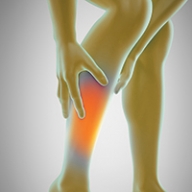
- A pain in the calves when walking or exercising that goes away at rest – called claudication
- A numbness, tingling, or a feeling of pins and needles in the lower legs or feet
- Cuts or sores on the legs or feet that don’t heal or heal slowly
The American Heart Association considers diabetes to be one of the six major controllable risk factors for cardiovascular disease. Additionally, the strongest risk factors for PAD are diabetes and smoking. The other controllable risk factors that would significantly increase a person’s chances of developing this condition include:
- Overweight/obesity
- Physical inactivity
- High blood pressure
- High LDL (bad) cholesterol
A family or previous history of cardiovascular disease or stroke also increases an individual’s risk of developing PAD.
In many cases, PAD can be controlled or prevented by lifestyle changes, such as exercising and dieting to lose weight and lower blood cholesterol. The single most important thing a person can do for PAD is to stop smoking. People with diabetes can also protect themselves against PAD and help keep their blood vessels clear by:
- Taking all diabetes medications as prescribed
- Keeping blood pressure and cholesterol at healthy levels, with medication if necessary
- Eating a healthy diet, one low in salt, cholesterol and fat
- Getting regular exercise
- Maintaining a healthy body weight
- Stopping smoking
- Making sure blood glucose levels are stable – talk to your doctor if this is a problem
Diagnosing PAD requires a simple ankle-brachial index test, performed in the physician’s office, which compares the blood pressure in the patient’s arm to the blood pressure in the ankle. If the pressure in the ankle is lower than the pressure in the arm, the patient may have PAD.
Once diagnosed with PAD, the goals for treatment include: reducing symptoms, improving quality of life and mobility, and treating non healing wounds and preventing potential amputation. At McLeod Vascular Surgical Associates, we work with patients diagnosed with PAD to determine the best treatment options to help achieve these goals.
 McLeod Vascular Surgeon Dr. William C. Jackson is a skilled physician with vascular surgery fellowship training. Dr. Jackson cares for patients at McLeod Vascular Associates in Florence and in Sumter. For information on scheduling appointments call 843-777-7043.
-
McLEOD REGIONAL MEDICAL CENTER FLORENCE
843-777-2000 -
McLEOD DARLINGTON
843-777-1100 -
McLEOD DILLON
843-774-4111 -
McLEOD LORIS
843-716-7000 -
McLEOD SEACOAST
843-390-8100 -
McLEOD CHERAW
843-537-7881 -
McLEOD CLARENDON
803-433-3000



-
McLEOD REGIONAL MEDICAL CENTER FLORENCE
843-777-2000 -
McLEOD DARLINGTON
843-777-1100 -
McLEOD DILLON
843-774-4111 -
McLEOD LORIS
843-716-7000 -
McLEOD SEACOAST
843-390-8100 -
McLEOD CHERAW
843-537-7881 -
McLEOD CLARENDON
803-433-3000
