 Find a Doctor

 Locations
 Services


 Print This Page
Stroke Prevention
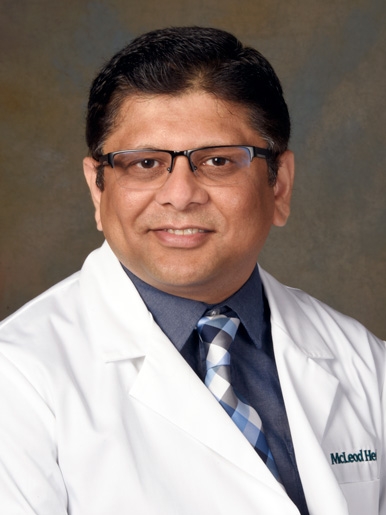
Dr. Ravish Kothari
Medical Director Stroke Services
McLeod Regional Medical Center
For stroke survivors, preventing another stroke is a key concern. There are 750,000 Americans who experience a stroke each year and 5 to 14 percent will have a second stroke within one year, according to the American Stroke Association. Within five years, stroke will occur in 24 percent of women and 42 percent of men.
When it comes to stroke there are risk factors you can control and those you cannot.
Risk factors you cannot change include:
- Age – the older you are, the higher the risk
- Male
- African American
- Family History of a stroke
For controllable risk factors, by making simple lifestyle changes you may be able to reduce your risk of a first or recurrent stroke.
Blood Pressure
High blood pressure is one of the most important and easily controlled risk factors. The danger is that many people are not even aware they have high blood pressure, so it is vital to have it checked. Be sure to have it checked at least once a year as part of your annual wellness visit with your primary care physician.
Sometimes blood pressure can be controlled through diet and exercise. Walking, bike riding, swimming, or even light yard work can make a difference. Plan for some form of physical activity for at least 30 minutes a day, five or more days a week. Be sure to check with your primary care physician before starting any exercise routine.
Medicine may be needed if diet and exercise alone are not enough to control high blood pressure. You may have to try several before finding the one that works for you. This is common. Take blood pressure medications as directed and exactly as prescribed.
High Cholesterol
The body needs cholesterol to build cells and make vitamins, but too much can be a problem. The liver makes all the cholesterol the body needs, and the excess comes from the foods you eat. Foods high in saturated and trans fats cause the liver to make more cholesterol than it otherwise would. For some people this means they go from a normal cholesterol level to one that is unhealthy.
Like blood pressure, it is important to work with your physician to make sure your cholesterol is at a healthy level. Changes in diet and exercise can help improve your levels but medications may also be needed. There are several medications available that help lower cholesterol levels and decrease the risk of stroke.
Atrial Fibrillation
Atrial Fibrillation is a heart condition where the upper chamber of the heart beats irregularly. This can cause blood to pool and form clots in an area of the heart called the left atrial appendage. If a blood clot does form, it can travel through an artery to the brain and cause a stroke. People with untreated atrial fibrillation may be at greater risk for stroke than people with normal heart rhythms.
Medications like anticoagulants also known as blood thinners can reduce the risk of blood clots that could lead to stroke. Warfarin is an example of a blood thinning medication that keeps the blood from sticking together and forming clots.
Smoking
The more you smoke the greater the risk of stroke. Someone who smokes 20 cigarettes a day is six times more likely to have a stroke compared to a non-smoker. Smoking brings carbon monoxide and nicotine into the bloodstream. The carbon monoxide reduces the amount of oxygen in the blood and the nicotine make the heart beat faster and raises blood pressure which increases the risk of stroke.
Work with your physician for help in quitting smoking.
Nutrition
Eating healthy will help you manage your weight and blood pressure, which are crucial in preventing a stroke. To improve your health:
- Eat at least five servings of fruits and vegetables each day
- Choose foods low in saturated and trans fats
- Avoid excess sugar – it provides only empty calories to the body
- Avoid excess sodium – it increases the risk of high blood pressure
Working Together
The key to preventing a first or recurrent stroke is to follow your physician’s suggestions on diet, exercise, weight loss, and taking any medications as directed. Working together will help lower your risk and move you towards a stroke free life.
Dr. Ravish Kothari serves as the Medical Director of McLeod Stroke Services for McLeod Regional Medical Center. He is a McLeod Neurologist who is board certified in Neurology. Dr. Kothari received his medical degree from the Government Medical College Bhavnagar in Gujarat, India. He completed a Neurology Residency and a Neurology Vascular Fellowship at the University of South Carolina School of Medicine in Columbia, South Carolina. Dr. Kothari cares for patients at McLeod Regional Medical Center.
-
McLEOD REGIONAL MEDICAL CENTER FLORENCE
843-777-2000 -
McLEOD DARLINGTON
843-777-1100 -
McLEOD DILLON
843-774-4111 -
McLEOD LORIS
843-716-7000 -
McLEOD SEACOAST
843-390-8100 -
McLEOD CHERAW
843-537-7881 -
McLEOD CLARENDON
803-433-3000



-
McLEOD REGIONAL MEDICAL CENTER FLORENCE
843-777-2000 -
McLEOD DARLINGTON
843-777-1100 -
McLEOD DILLON
843-774-4111 -
McLEOD LORIS
843-716-7000 -
McLEOD SEACOAST
843-390-8100 -
McLEOD CHERAW
843-537-7881 -
McLEOD CLARENDON
803-433-3000
