 Find a Doctor

 Locations
 Services


 Print This Page
Exercising and Sports Training in the Heat
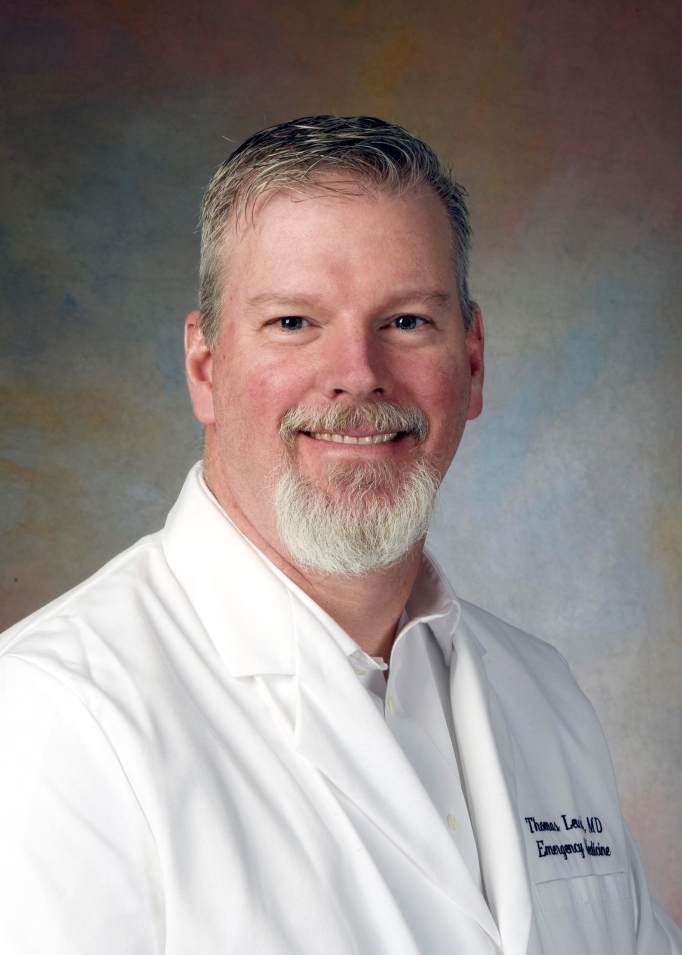
By: Dr. Tom Lewis
Medical Director, McLeod Regional Medical Center Emergency Department
We all know there are many health benefits to staying active and keeping a regular exercise routine. Physical activity can lower blood pressure and cholesterol and reduce your risk of stroke and heart disease. Regular exercise combined with a healthy diet will improve your mood, increase energy, and boost your immune system. Exercise is also beneficial for mental health, reducing stress and depression.
The intense summer heat and humidity can make exercising outdoors and sports training a challenge. Whatever outdoor activity you choose, it is a good idea to practice hot weather safety tips such as staying hydrated, dressing for the outdoors, protecting your skin, keeping exercise brief, and more.
Stay hydrated.
The most important part of exercising in the heat is proper hydration. Spending time outside in the heat significantly increases the risk of dehydration (loss of fluids). Be sure to drink nine to eleven cups of water a day, more if your activity is in the middle of the day. During the activity, replace water by drinking every fifteen minutes. After, replenish valuable nutrients with a cool sports drink. Sweat contains potassium and sodium, so it’s important to replenish these electrolytes after you exercise.
Dress for the outdoors.
Dress cooler for the outdoors by wearing loose and lightweight clothing in light colors to reflect the sun. Choose fabrics that wick moisture away from your body, keeping you cool and reducing friction.
Protect your skin.
Remember to protect your skin from the sun by wearing a hat and using sunscreen. Sunburn makes it harder for your body to cool down.
Check the weather.
Try to avoid the hottest part of the day by planning your activity before 8:00 a.m. or after 7:00 p.m., and check weather forecasts for heat warnings. Hot weather exerts more energy during activities so slow down, pace yourself, and drink plenty of water. When possible, exercise in the shade.
Know yourself.
If you are new to working out, use caution while exercising outdoors in the heat. Your body needs time to adapt, so take breaks often. Certain medications or medical conditions may put you at a higher risk when exercising outdoors or in extreme heat.
Keep it brief.
Limit your time exercising in the heat and humidity, especially if you are new to working out. Start with 20 to 30 minutes outdoors and work your way up to longer workouts.
Watch for dehydration.
The most common symptoms of mild to moderate dehydration include dry mouth, headache, muscle cramps, weakness, dizziness, confusion, or irritability. Dehydration can also cause fainting, fast or irregular heartbeat, dark concentrated urine, and an inability to sweat. If left untreated, it can lead to heatstroke, seizures, and death.
Heat Exhaustion vs. Heatstroke
Heat exhaustion happens when the body gets too hot. It can affect children, adults, and even pets. Some signs of heat exhaustion include heavy sweating, dizziness, nausea, headache, and feeling weak or confused. If you start to notice any of these symptoms, go inside where it is cool and rehydrate.
Heatstroke can occur in extreme heat. This happens when the body temperature reaches 104 degrees. Symptoms include a high fever of 104 or greater, severe headache, a flushed or red appearance to the skin, nausea, vomiting, and lack of sweating.
If these symptoms occur, contact emergency personnel immediately. If you encounter someone who appears to have had a heatstroke, call 911 and try to get them to a cooler space.
-
McLEOD REGIONAL MEDICAL CENTER FLORENCE
843-777-2000 -
McLEOD DARLINGTON
843-777-1100 -
McLEOD DILLON
843-774-4111 -
McLEOD LORIS
843-716-7000 -
McLEOD SEACOAST
843-390-8100 -
McLEOD CHERAW
843-537-7881 -
McLEOD CLARENDON
803-433-3000



-
McLEOD REGIONAL MEDICAL CENTER FLORENCE
843-777-2000 -
McLEOD DARLINGTON
843-777-1100 -
McLEOD DILLON
843-774-4111 -
McLEOD LORIS
843-716-7000 -
McLEOD SEACOAST
843-390-8100 -
McLEOD CHERAW
843-537-7881 -
McLEOD CLARENDON
803-433-3000
