 Find a Doctor
 Locations
  Services

 Print This Page
 McLeod Regional Medical Center Opens Pediatric EmPATH Unit
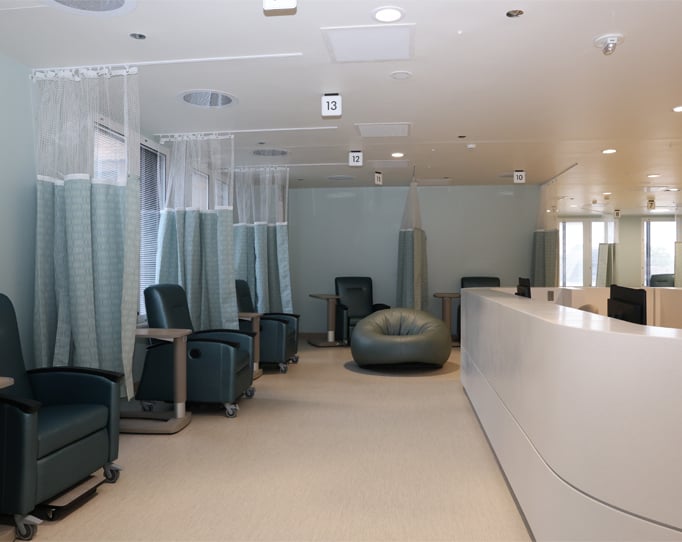
McLeod Regional Medical Center has opened a pediatric behavioral health crisis stabilization unit. The hospital was one of 13 South Carolina hospitals to receive funding from the South Carolina Department of Health and Human Services (SCDHHS) to build specialized hospital-based emergency department units dedicated to behavioral health crises.
McLeod’s Pediatric EmPATH (Emergency Psychiatric Assessment, Treatment, and Healing) Unit in the McLeod Children’s Hospital is for pediatric patients suffering from acute psychiatric crisis. This 15-bed specialized unit will provide a space dedicated to rapid improvement and stabilization for children to receive immediate treatment starting at the time of presentation. Patients are assessed and treated in an open space where they are free to move around. Additionally, the McLeod Pediatric Intensive Care Unit has both a pediatric intensivist and a pediatric hospitalist on call 24/7/365.
“The EmPATH Unit will provide specialized care for children experiencing psychiatric crises using the principles of patient-centered and evidence-based emergency assessment, stabilization, treatment and healing,” said Rebecca Vincent, Vice President of Women’s and Children’s Services for McLeod Regional Medical Center. “Over the past few years, the national mental health crisis has only deepened, and pediatric mental health-related emergency department visits have been increasing, especially among girls. This project is a necessary response to the entrenched obstacles to care affecting this patient population.”
The pediatric behavioral health patient treated at McLeod will receive intense individual and group therapy tailored to situation and cognitive and developmental stages. The premise is if a patient can be stabilized in a nurturing environment with professional and peer support within the initial 72 hours and de-escalated to a state of safety, outpatient follow-up treatment may serve as a sustainable alternative versus progression to acute inpatient psychiatric care.
The EmPATH model has been successful in reducing length of stay and inpatient admissions and improving the rate of follow-up care.
-
McLEOD REGIONAL MEDICAL CENTER FLORENCE
843-777-2000 -
McLEOD DARLINGTON
843-777-1100 -
McLEOD DILLON
843-774-4111 -
McLEOD LORIS
843-716-7000 -
McLEOD SEACOAST
843-390-8100 -
McLEOD CHERAW
843-537-7881 -
McLEOD CLARENDON
803-433-3000



-
McLEOD REGIONAL MEDICAL CENTER FLORENCE
843-777-2000 -
McLEOD DARLINGTON
843-777-1100 -
McLEOD DILLON
843-774-4111 -
McLEOD LORIS
843-716-7000 -
McLEOD SEACOAST
843-390-8100 -
McLEOD CHERAW
843-537-7881 -
McLEOD CLARENDON
803-433-3000