 Find a Doctor
 Locations
  Services

 Print This Page
 Ongoing Stroke Care
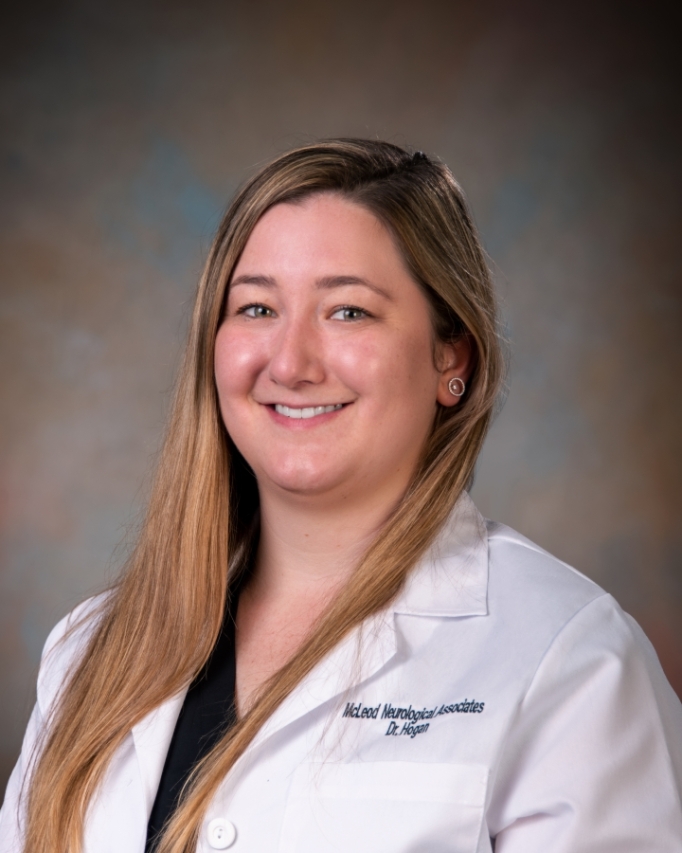
Nicole Hogan, MD, McLeod Neurologist
A stroke occurs when blood flow to the brain is interrupted, causing brain cells to die. Strokes are a leading cause of death and disability in the United States.
The most common symptoms of a stroke are difficulty speaking, weakness on one side of the body, and vision loss. Anyone who experiences any of these symptoms may be having a stroke. Once symptoms start, it is crucial to get treatment as quickly as possible to make it less likely that any damage becomes permanent. If you experience any symptoms which may be a stroke, call 911 immediately.
While in the hospital, the stroke care team evaluates the effects of the stroke on the patient, checking for deficits in visual, sensory, motor, language, or speech functions. The results are used to establish the patient’s rehabilitation plan and plan for ongoing care, which includes determining the cause of the stroke and initiating treatment. Often this work must continue after discharge under the care of a Neurologist.
Neurologists are medical doctors who specialize in the diagnosis and treatment of disorders of the nervous system, including stroke. They provide ongoing care and support to stroke survivors and help them prevent further disability. With the right care, stroke survivors can often make a good recovery.
Neurologists can offer advice on lifestyle changes that may help in recovery from stroke. They can also help assess the damage caused by the stroke and build on the treatment plan started in the hospital, working with the patient to reduce the risk of another stroke.
To reduce risk, physicians may prescribe medications, changes in diet, or exercise. They work closely with primary care doctors to help manage contributing factors to stroke such as high blood pressure.
In addition to high blood pressure, high cholesterol, smoking, and diabetes are other treatable risk factors for stroke. Working with a Neurologist as well as a Primary Care Provider to modify these risk factors is important.
Stroke treatments a Neurologist may recommend include:
- Medications to thin the blood and prevent blood clots from forming
- Physical therapy to improve strength and mobility – depending on the effects of the stroke, weeks of rehabilitation may be required to regain coordination for walking, swallowing, or talking. Therapy may also be needed for fine-motor skills related to the use of hands.
- Occupational therapy to help with everyday tasks – focuses on the ability to perform routine activities such as cooking, household chores, and grooming.
- Speech therapy to help with communication and swallowing
- Surgery to open blocked arteries – a vascular surgeon would be required to remove fatty deposits that are blocking the main supplier of blood to the brain.
The long-term results of stroke vary from person to person and depend on the stroke’s severity and the area of the brain affected. Recovery can take time and may happen over the course of many months. Neurologists are specially trained to understand brain function and different types of strokes. Their goal is to help stroke survivors live as independently as possible while preventing future disability.
Dr. Nicole Hogan is a board-certified Neurologist who cares for patients at McLeod Neurological Associates located in the McLeod Medical Plaza, 800 E. Cheves Street, Suite 220, in Florence. She treats a broad range of neurologic disorders including seizures, headaches, multiple sclerosis, and Parkinson’s Disease. Dr. Hogan is accepting new patients by physician referral.
-
McLEOD REGIONAL MEDICAL CENTER FLORENCE
843-777-2000 -
McLEOD DARLINGTON
843-777-1100 -
McLEOD DILLON
843-774-4111 -
McLEOD LORIS
843-716-7000 -
McLEOD SEACOAST
843-390-8100 -
McLEOD CHERAW
843-537-7881 -
McLEOD CLARENDON
803-433-3000



-
McLEOD REGIONAL MEDICAL CENTER FLORENCE
843-777-2000 -
McLEOD DARLINGTON
843-777-1100 -
McLEOD DILLON
843-774-4111 -
McLEOD LORIS
843-716-7000 -
McLEOD SEACOAST
843-390-8100 -
McLEOD CHERAW
843-537-7881 -
McLEOD CLARENDON
803-433-3000
