 Find a Doctor
 Locations
  Services

 Print This Page
 Education on Ischemic Stroke
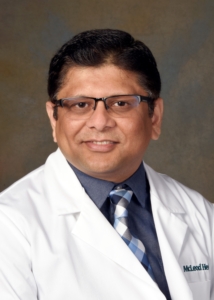
Dr. Ravish Kothari
Medical Director of Stroke Services
McLeod Regional Medical Center
Ischemic stroke, the most common type of stroke, is caused by a blockage in an artery that supplies blood to the brain. This blockage restricts blood flow and prevents the brain from receiving the oxygen and nutrients it needs to function properly.
Understanding who is at higher risk is an important step in prevention. Those with a family or personal history of stroke are more likely to experience an ischemic stroke. Additionally, men are at higher risk than women, and African Americans have a greater risk than any other racial or ethnic group.
The greatest risk factor for stroke is unmanaged high blood pressure. Often referred to as the “silent killer,” high blood pressure typically has no noticeable symptoms, leaving many individuals unaware they have it. As a result, it is essential to have your blood pressure checked regularly by a medical professional to reduce your risk.
In addition to high blood pressure, several other conditions and lifestyle factors can increase the likelihood of an ischemic stroke, including:
- Atherosclerosis
- High cholesterol
- Atrial fibrillation
- Prior heart attack
- Diabetes
- Smoking
- Being overweight, particularly with excess abdominal fat
These risk factors contribute to the buildup of plaque within the arteries. Over time, plaque narrows the arteries in the neck and head, restricting blood flow and increasing the chance of blood clot formation. When a clot blocks an artery supplying the brain, an ischemic stroke occurs.
Because ischemic stroke is a medical emergency, recognizing the warning signs quickly can make a life-saving difference. Every minute counts, and acting fast can significantly improve outcomes.
If you think someone may be having a stroke, remember the acronym B.E. F.A.S.T.:
B – Balance: Sudden loss of balance or coordination
E – Eyes: Loss of vision in one or both eyes
F – Face: Facial drooping on one side
A – Arms: Arm or leg weakness
S – Speech: Slurred or unusual speech
T – Time: Call 9-1-1 immediately
If any of these symptoms are present, seek emergency medical care right away. Prompt treatment is critical, as early intervention can reduce the risk of permanent brain damage.
While rapid treatment is essential, prevention remains the best defense against ischemic stroke. Taking proactive steps can significantly lower your risk. These include:
- Monitoring and controlling blood pressure
- Avoiding smoking or quitting if you currently smoke
- Maintaining a healthy weight
- Staying physically active
- Managing conditions such as atrial fibrillation
By working closely with your primary care provider, you can develop a plan to reduce your risk and support long-term brain health.
Dr. Ravish Kothari serves as the Medical Director of Stroke Services for McLeod Regional Medical Center. He is a McLeod Neurologist who is board certified in Neurology and Vascular Neurology. Dr. Kothari received his medical degree from the Government Medical College Bhavnagar in Gujarat, India. He completed a Neurology Residency and a Neurology Vascular Fellowship at the University of South Carolina School of Medicine in Columbia, South Carolina. Dr. Kothari cares for patients at McLeod Regional Medical Center.
-
McLEOD REGIONAL MEDICAL CENTER FLORENCE
843-777-2000 -
McLEOD DARLINGTON
843-777-1100 -
McLEOD DILLON
843-774-4111 -
McLEOD LORIS
843-716-7000 -
McLEOD SEACOAST
843-390-8100 -
McLEOD CHERAW
843-537-7881 -
McLEOD CLARENDON
803-433-3000



-
McLEOD REGIONAL MEDICAL CENTER FLORENCE
843-777-2000 -
McLEOD DARLINGTON
843-777-1100 -
McLEOD DILLON
843-774-4111 -
McLEOD LORIS
843-716-7000 -
McLEOD SEACOAST
843-390-8100 -
McLEOD CHERAW
843-537-7881 -
McLEOD CLARENDON
803-433-3000