 Find a Doctor
 Locations
  Services
McLeod Health Dillon
Has the Services You Need
McLeod Health Dillon has 79 acute care beds, cardiac, women’s, surgical, orthopedic and other services. Every hospital experience is enhanced by the McLeod Health Dillon team. Each member of our team provides patient-centered care with compassion and understanding. We offer little to no wait times to patients that come to McLeod Health Dillon for tests performed in our outpatient departments. And, when admitted to an inpatient unit in our hospital, we offer assistance to patients that need help when they are ready to go home, such as equipment, home health services, community services, and transportation.
- Diagnostic Imaging, 3D Mammography
- Emergency/Trauma
- Gift Shop
- Home Health
- Hospice
- Intensive Care
- Laboratory
- McLeod Safe Kids
- Nutrition
- Orthopedic Surgery
- Pediatrics
- Primary Care
- Rehabilitation: Cardiac, Speech and Physical Therapy
- Respiratory Therapy
- Sleep Study Program
- Surgery – Inpatient & Outpatient
- Swing Bed Program
- Women’s Services – Maternity Care & Pelvic Health

-
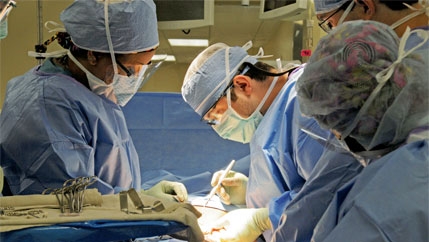
When You Need Surgery, You Can Trust McLeod Health Dillon
Our highly qualified, experienced surgeons perform a wide range of procedures in a surgery center with the finest in technology. Patients benefit from round-the-clock specialized nursing care.
Utilizing some of the latest surgical advances, our surgeons help reduce pain, shorten recovery time and return patients back to their lives and families more quickly. For patients having surgery, download the McLeod General Surgery Patient Handbook.
-
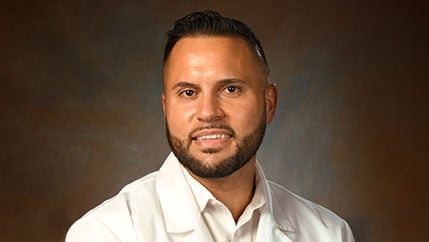
McLeod Orthopaedics Dillon Performs Wide Spectrum of Procedures
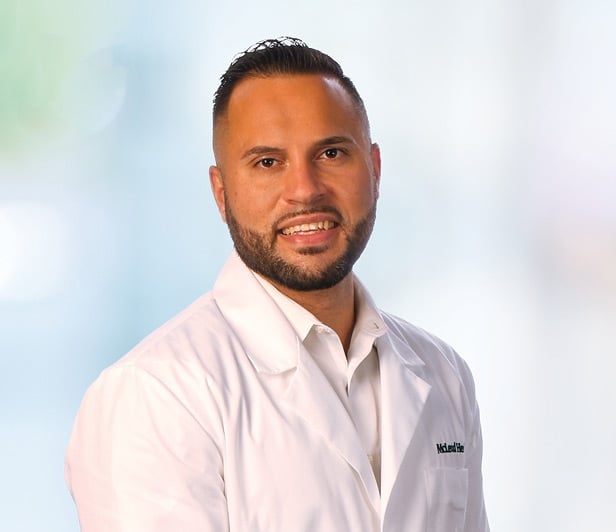
Dr. Ardalan Sayan performs total joint replacement for knees and hips, as well as handling fractures and other bone or joint-related problems. He uses the latest surgical advances and techniques help repair orthopedic problems. “We all share a common goal and focus and that’s that we love the people in our community, and we want to take the best care of them possible.” says Dr. Sayan.
-

Women’s Health Services For Women of All Ages
McLeod Health Dillon Women’s Services is dedicated to Women’s Health program to providing preventive, diagnostic and clinical services that support the health and wellness of women of all ages. We offer prenatal care, pregnancy and childbirth services.
No one will be denied access to services, and there is a Discounted/SFS available. For more information, click here.
-

Women’s Pelvic Health Requires a Unique Focus You’ll Find at McLeod
At some point in their lifetime, most women will experience pelvic health issues, such as incontinence, fibroids, endometriosis or pelvic organ prolapse. At McLeod Health, our OB/GYNs and women’s services staff are dedicated to providing you the help you need with these very personal issues. We’re here to help – let’s talk.
Learn More -
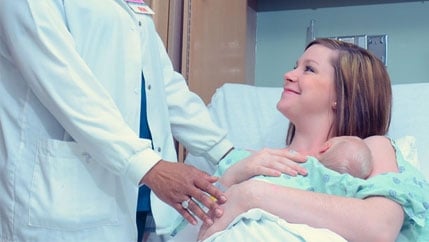
A Caring Labor & Delivery Experience
McLeod Health Dillon Maternity Center creates a unique experience for women starting or growing their families. Prenatal classes teach you what to expect. Lactation specialists work with you to get your baby started on health breastfeeding. Our center offers:
- Spacious Labor & Delivery Suites
- Family-Centered Care where baby rooms in with you
- Nurse-Family Partnership to Help First-Time, Low-Income Mothers
- Infant Security System
- Round-the-clock Pain Control Services
- Specially trained Nurses certified in Neonatal Resuscitation
- Lactation Counselors
- Newborn Photo Service
- Parent Education – Click here for parenting tips
-

Nurse-Family Partnership Empowers First-Time, Low-Income Mothers
This is a special program of nurse home visits that improves pregnancy outcomes, as well as child health and development. Results are impressive. Some 90% of babies born were born full term and 89% were at a healthy weight. Learn More.
-

Childbirth Prep Classes & Birthing Center Tour
To make your birth experience as positive as possible, we offer:
- Birthing Center Tours to see the center, ask nurses questions, learn about breastfeeding help.
- Class on Childbirth Preparation.
To sign up for a tour or childbirth class, call (843) 487-1300.
-
Protect a Baby with These Safe Sleep ABCs
When putting an infant to sleep, make sure they are:
Alone. Not with you in bed or in a chair.
On their Back. Always place your baby on their back when sleeping.
In a Crib. Not in a car seat or on the couch. Remove all loose bedding, blankets, bumper pads, and stuffed animals. -

Children’s/Pediatric Services
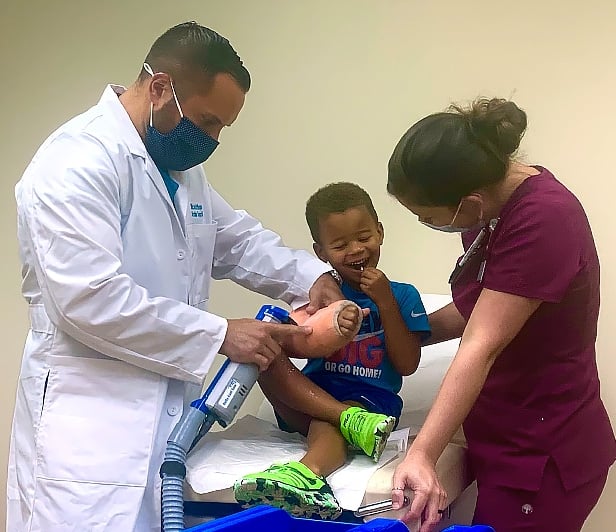
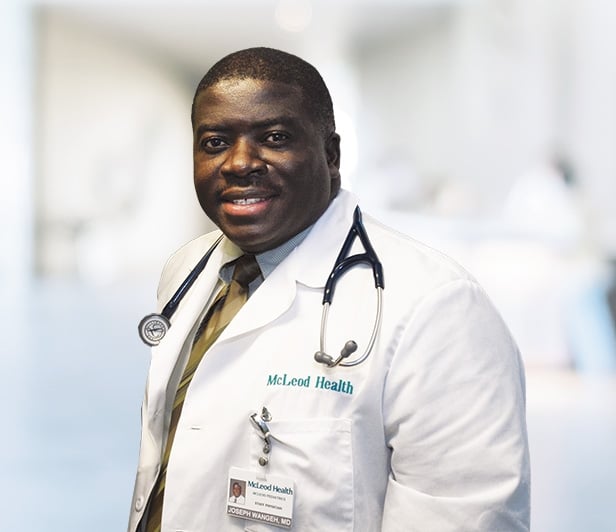
McLeod Pediatrics Dillon — the only pediatric practice in Dillon — offers exceptional quality and compassionate care for children and families in the area. Find out more about our physicians. To schedule an appointment, call (843) 774-6091.
No one will be denied access to services, and there is a Discounted/SFS available.
McLeod Health Dillon offers pediatric services for children needing diagnostic testing and admission to the hospital. As part of the McLeod Health family, the McLeod Children’s Hospital in Florence and its pediatric specialists are readily available to meet the needs of young patients.
-
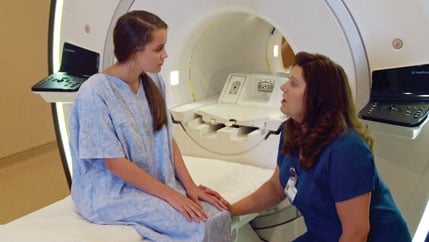
Diagnostic Imaging For A Clearer Picture.
At McLeod Health Dillon, diagnostic imaging creates a graphic depiction of the structures and functions of the body’s organs and internal systems. Physicians use these images – many in color, 3-D or motion — to examine and diagnose certain medical conditions. Imaging offered includes:
- 3D Mammography – A breast X-ray, captured with the detail only possible with high resolution digital images. Schedule your 3D Mammogram at any of the McLeod Health locations above by clicking here or calling (843) 777-2095 and choose option 1.
- MRI – Magnetic Resonance Imaging provides the clearest, most precise image inside your body.
- Ultrasound – high-frequency sound waves used to evaluate organs and fetal development.
- CT Scan – combines X-ray views at different angles and, using a computer, creates cross-sectional image.
- Nuclear Medicine – Uses small amounts of radioactive materials to perform heart studies and diagnose bone cancer, infections and stress fractures.
- Radiography and Fluoroscopy – help doctors diagnose conditions in the chest, spine, bones, digestive tract, uterus and bladder.
-
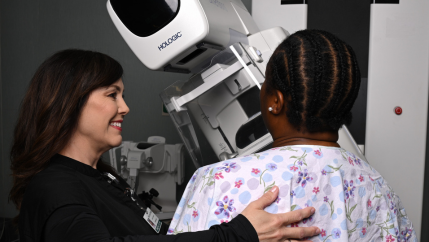
3D Mammography at
McLeod HealthMcLeod Health offers 3D Mammography at its Florence, Cheraw, Clarendon, Dillon, Loris and Seacoast locations. Revolutionizing how breast cancer is detected, 3D Mammography not only produces standard 2D views, but it also allows doctors to examine the breast tissue layer by layer. This advanced technology offers our patients greater accuracy, earlier detection, and up to 40 percent fewer recalls for additional testing. Schedule your 3D Mammogram at any of the McLeod Health locations above by clicking here or calling (843) 777-2095 and choose option 1. We also have a mobile mammography unit. Click here to see schedule.
-

Help With Sleep Disorders.
Sleep disorders come in more than 80 forms, including sleep apnea, insomnia and restless legs syndrome. These conditions can significantly hurt your sleep, safety and quality of life. At McLeod Health Dillon Sleep Disorder Center, a team of medical professionals evaluates your symptoms through a sleep study and find ways to help you get a better night’s rest. Talk to your doctor about scheduling a Sleep Study. For more information, call (843) 841-1220 or email cpernell@mcleodhealth.org.
-
McLEOD REGIONAL MEDICAL CENTER FLORENCE
843-777-2000 -
McLEOD DARLINGTON
843-777-1100 -
McLEOD DILLON
843-774-4111 -
McLEOD LORIS
843-716-7000 -
McLEOD SEACOAST
843-390-8100 -
McLEOD CHERAW
843-537-7881 -
McLEOD CLARENDON
803-433-3000



-
McLEOD REGIONAL MEDICAL CENTER FLORENCE
843-777-2000 -
McLEOD DARLINGTON
843-777-1100 -
McLEOD DILLON
843-774-4111 -
McLEOD LORIS
843-716-7000 -
McLEOD SEACOAST
843-390-8100 -
McLEOD CHERAW
843-537-7881 -
McLEOD CLARENDON
803-433-3000